
The 66 most 60’s thing about 1966
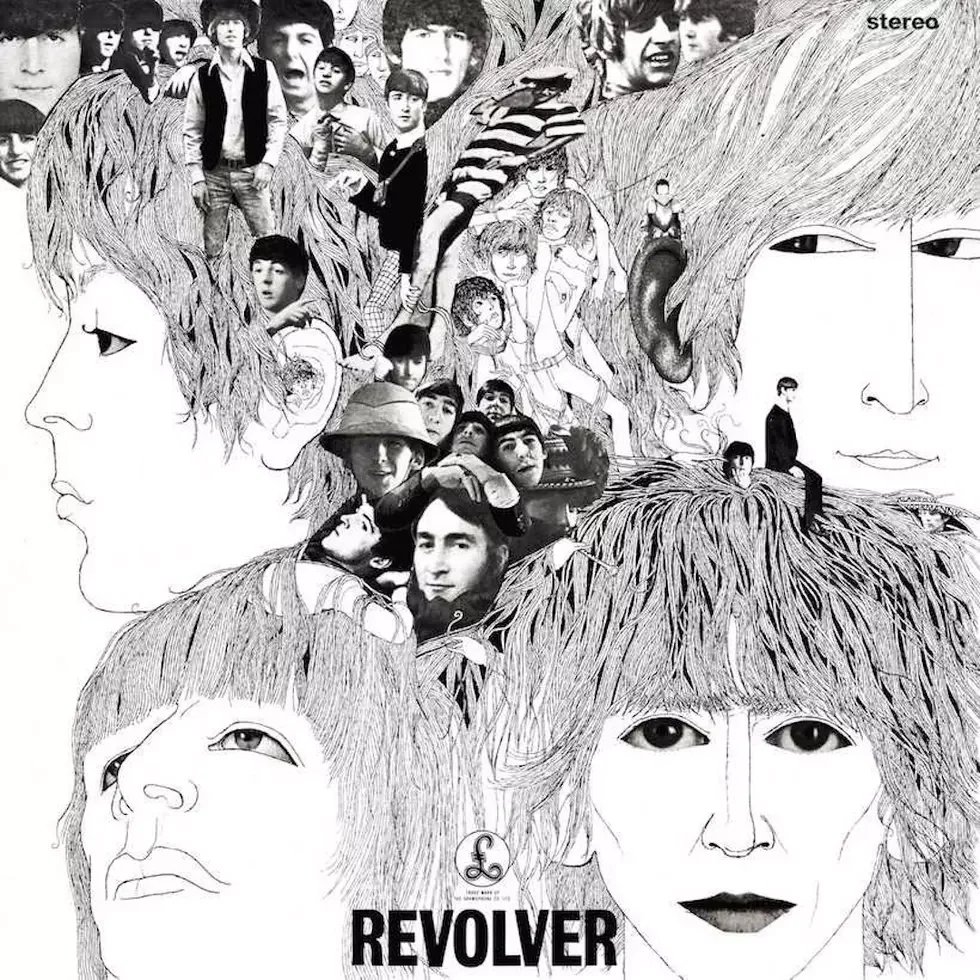
The Beatles Change Music Forever with 'Revolver'
Beatlemania and the ravenous fanbase it fed/created dominated the early part of the ‘60s. But something changed with 1966’s Revolver. The Beatles — once pop’s premier boy band — had suddenly grown up. The LP's tracks were deeper, trippier and more experimental than anything they (or anyone else, for that matter) had tried before. The Beatles pushed the boundaries of what could be achieved in the studio, layering instruments, using tape loops and even occasionally playing back parts backwards. Classic songs included "Taxman," "Eleanor Rigby," "Here, There and Everywhere," "Yellow Submarine," "Good Day Sunshine" and "Got to Get You Into My Life." Revolver was the sound of change and the perfect reflection of its year.
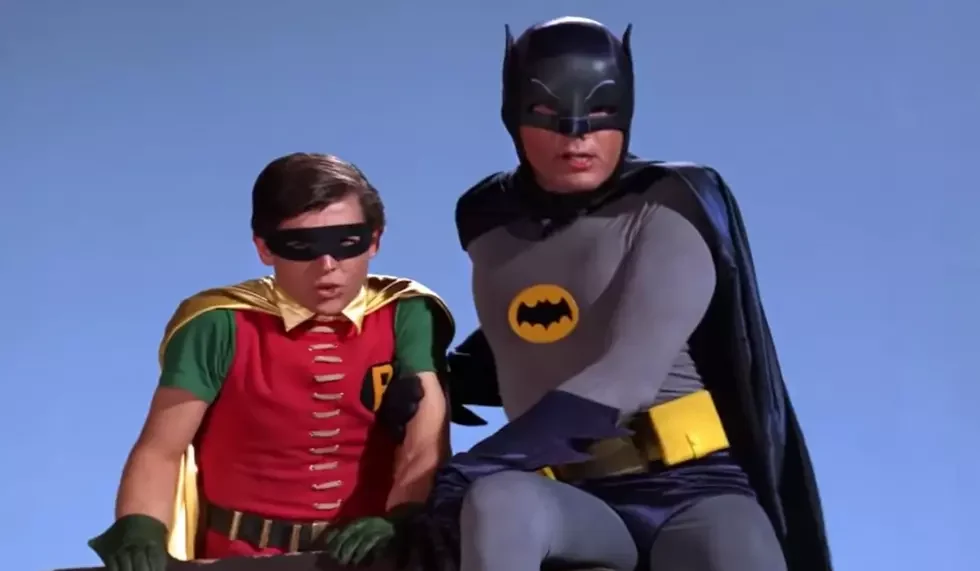
‘Batman’ Saves the Day
Before Christian Bale, George Clooney, Michael Keaton or even Val Kilmer donned Batman’s tights, Adam West portrayed the heroic caped crusader. The Batman TV series launched in January ‘66, with a feature film (the first Batman movie made) following that July. While West’s embodiment of the character was much more camp and cartoonish that the modern interpretations, he undoubtedly left his mark on the Batman franchise. Plus, who could ever forget those “Pow!” and “Zap!” comic-like title cards or the famous Batman theme song?
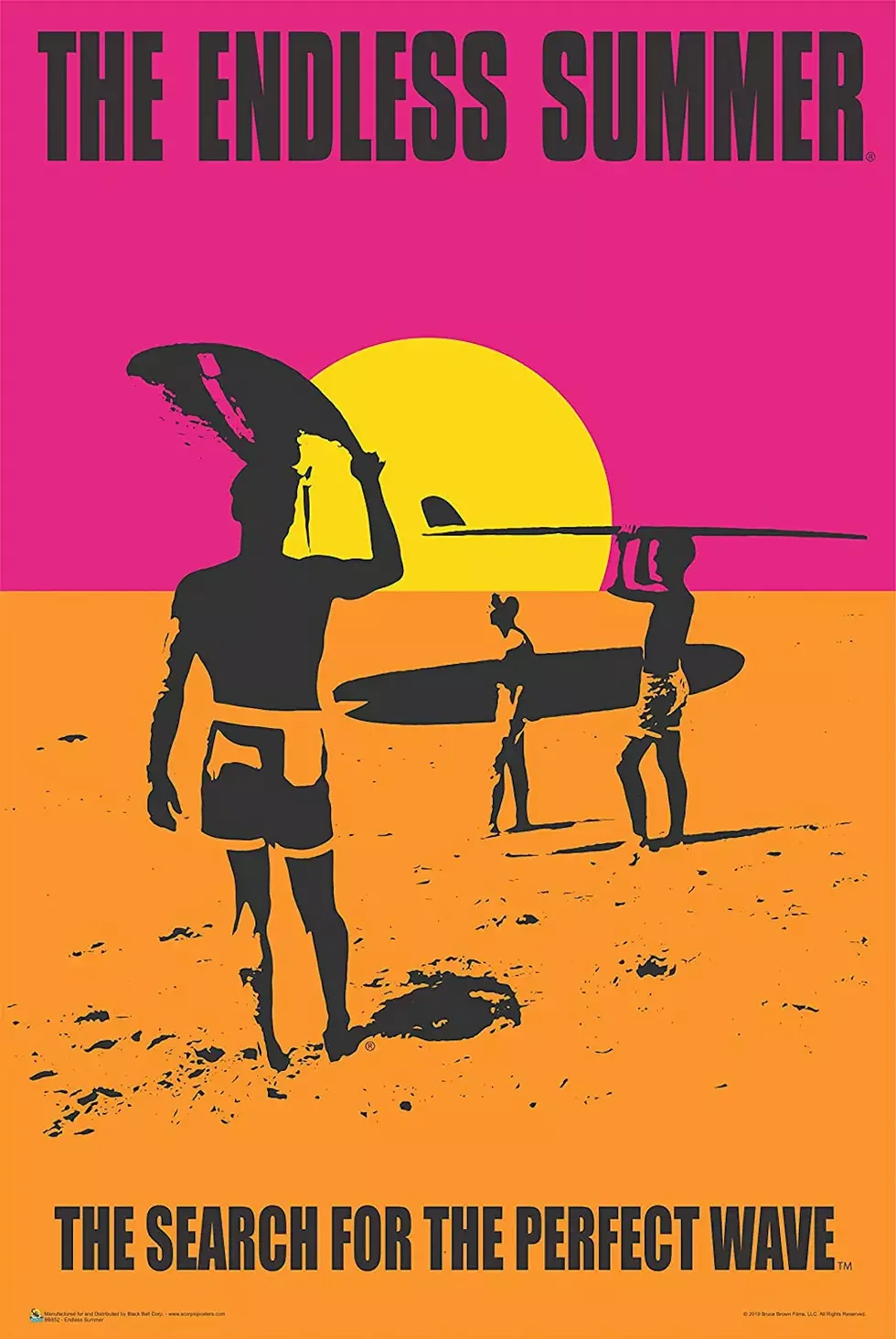
'The Endless Summer' Brings Surfing Mainstream
As surfing culture began seeping into mainstream culture, one film caught the attention of moviegoers the world over. Documentary The Endless Summer chronicled surfers Mike Hynson and Robert August as they traveled across the globe in search of the perfect wave. The film’s style matched its laid back subject matter; unlike most documentaries at the time, which tended to be stuffy, formal affairs, The Endless Summer was presented as an informal look inside surf culture. A landmark film which has since been selected for preservation by the Library of Congress, The Endless Summer helped take surfing from a niche sport to a worldwide phenomenon.
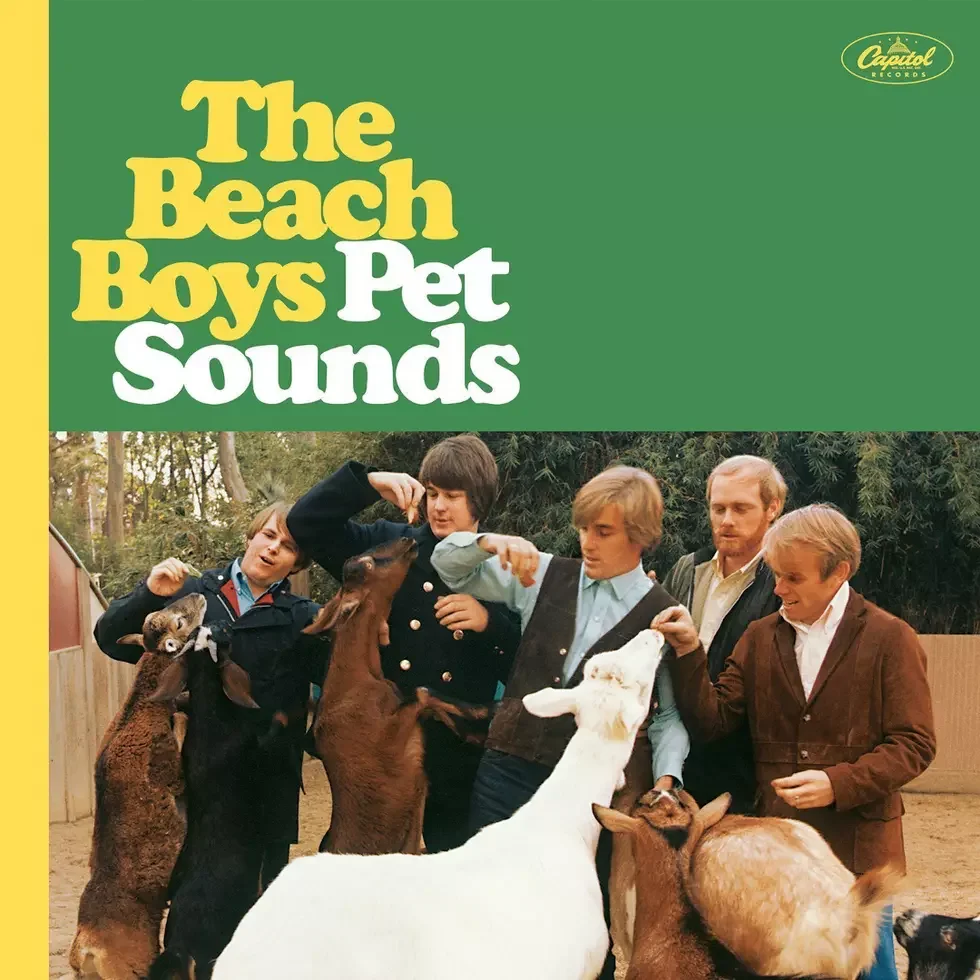
Beach Boys Unleash 'Pet Sounds'
For Brian Wilson, Pet Sounds was more than just a passion project — it was an obsession. The forward-thinking Beach Boy had been inspired by the Beatles Rubber Soul and producer Phil Spector’s wall of sound techniques, and he was determined to create a project that rivaled those pioneering efforts. Wilson produced, wrote and orchestrated the album’s tracks, while Tony Asher handled the majority of the lyrics. Studio experimentation abounded, with Wilson seemingly trying to incorporate every instrument he could find – and even some non-instruments, like Coke cans. The result was an artistic triumph which featured such hits as "Caroline, No," "Sloop John B," "Wouldn't It Be Nice" and "God Only Knows." Though it eventually created a rift within the Beach Boys — the band argued about their artistic direction following the album’s release — Pet Sounds would go on to be regarded as a groundbreaking LP.
Temple Solel
Founded in 1966, Temple Solel began with just twelve visionary families who sought a warm, inclusive spiritual home in Paradise Valley. Guided by the meaning of its name-“Pathfinder”-the congregation grew into a vibrant center of Reform Jewish life, blending tradition with progressive values. Today, it is known for its strong cultural spirit, welcoming community, and its commitment to lifelong learning, worship, and meaningful Jewish engagement.
The Grinch Steals Christmas
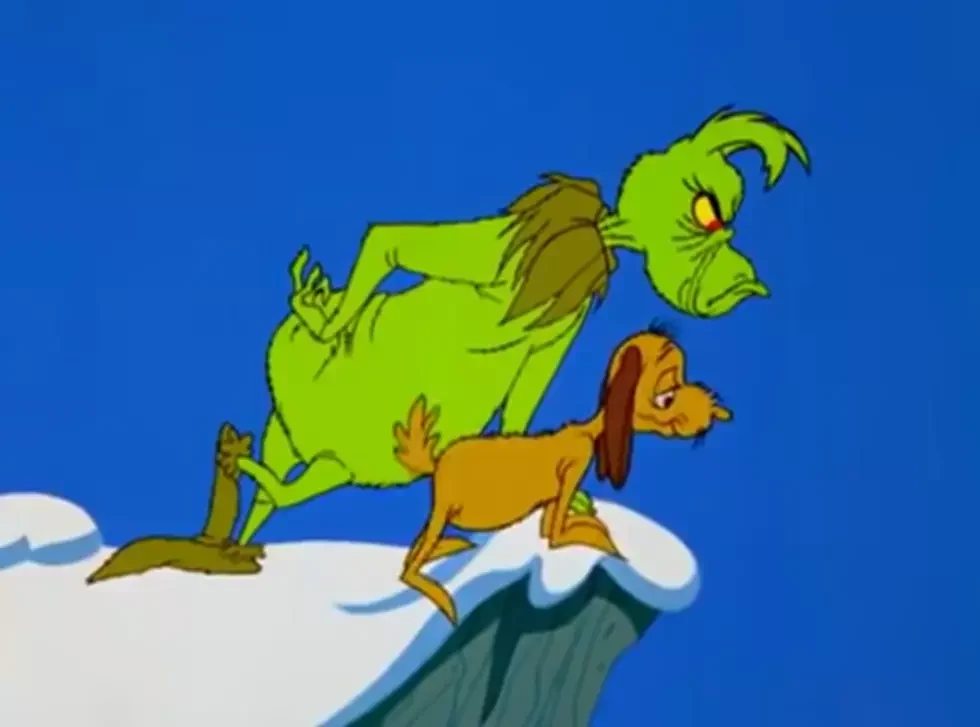
One of the most beloved pieces of holiday programming hit the television airwaves for the first time when How the Grinch Stole Christmas was aired on Dec. 18, 1966. Based on the book of the same name by Dr. Seuss, which had been released nine years prior, the animated special followed the titular Grinch’s efforts to rob the town of Whoville of their traditional Christmas customs, such as presents, decorations and the “roast beast” dinner. Of course, the Grinch learns that Christmas is about much more than these superficial things — and in doing so his heart grows three sizes. Narrated by Boris Karloff, who would win a Grammy for his work on the special, How the Grinch Stole Christmas became a holiday tradition, airing every holiday season since its debut.
Doritos Invade the Snack Food Aisle
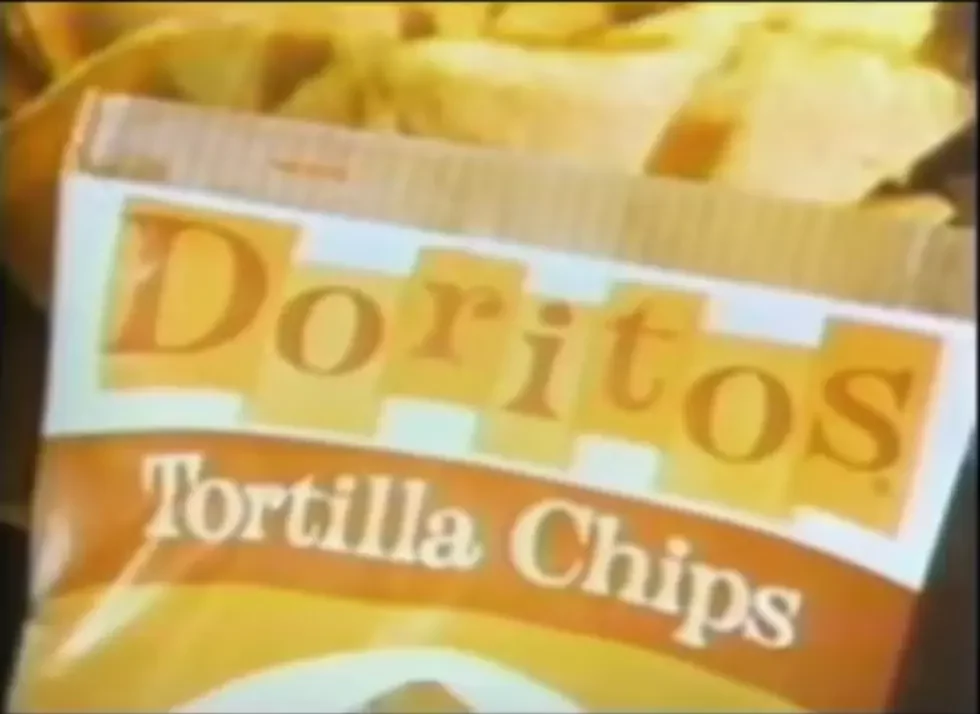
Located inside the Disneyland theme park, the Casa de Fritos restaurant was popular among tourists and locals alike. One of its most popular dishes was made up of tortillas which had been cut up, fried and seasoned. Arch West, the vice president of marketing of Frito-Lay at the time, noticed the snack’s popularity and opted to produce the chips on a larger scale locally. The response was so positive that Frito-Lay opted to take their new snack nationwide. In 1966, Doritos — the name taken from doradito, the Spanish word for "little fried and golden thing" — were officially released across America.
Bob Dylan Cements His Legacy With ‘Blonde on Blonde’
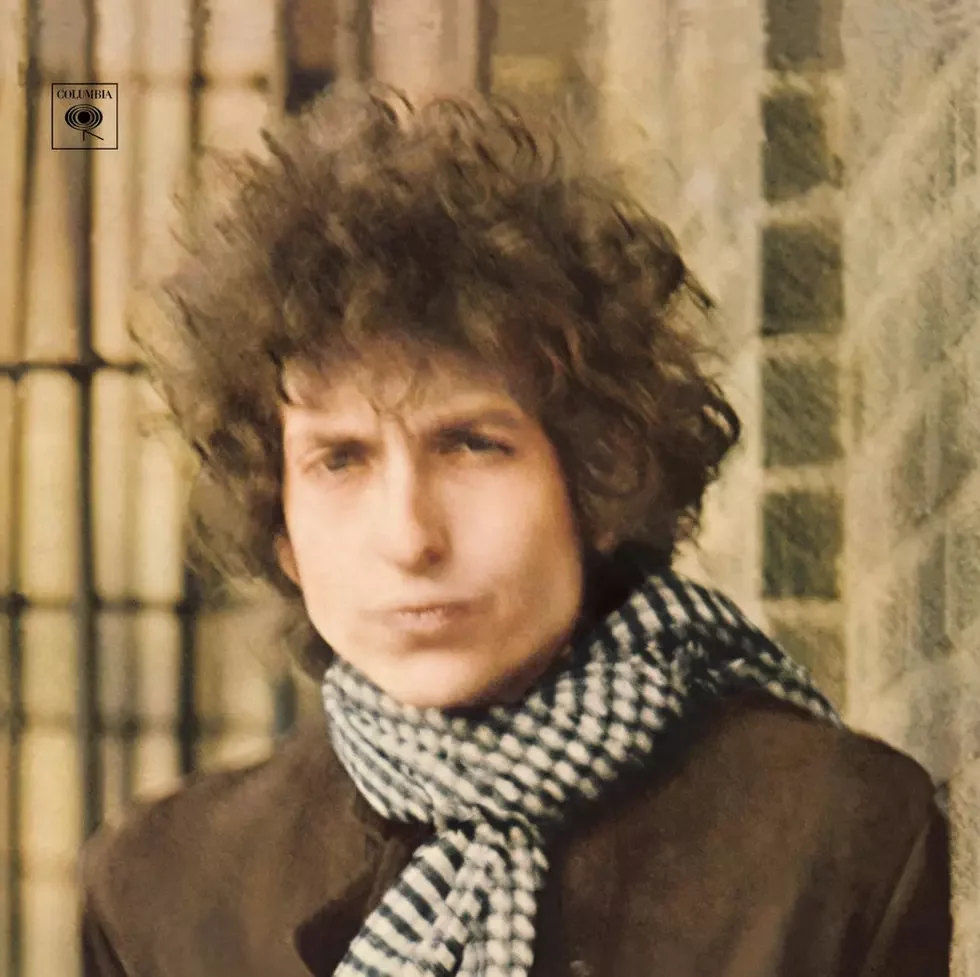
Bob Dylan was in the midst of one of the greatest runs of his — or any other musician's — career. Bringing It All Back Home (1965) and Highway 61 Revisited (1965) had affirmed Dylan’s place among the greatest songwriters in rock history, yet somehow he managed to outdo himself with 1966’s Blonde on Blonde. After scrapping most of his initial New York studio sessions, Dylan relocated to Nashville, bringing keyboardist Al Kooper and guitarist Robbie Robertson along for the journey. There, they’d join forces with some of Music City’s finest session players to record a double album that ranks among the best in history. "Visions of Johanna," "I Want You," "Stuck Inside of Mobile With the Memphis Blues Again," "Leopard-Skin Pill-Box Hat" and "Just Like a Woman" were among Blonde on Blonde’s most popular tracks, but the whole thing worked as a grand, cohesive piece of material. Fans will always argue over Dylan’s finest work, but it’s very likely that Blonde on Blonde deserves that acclaim.
'Star Trek' Boldly Goes Where No Other Series Has Gone Before
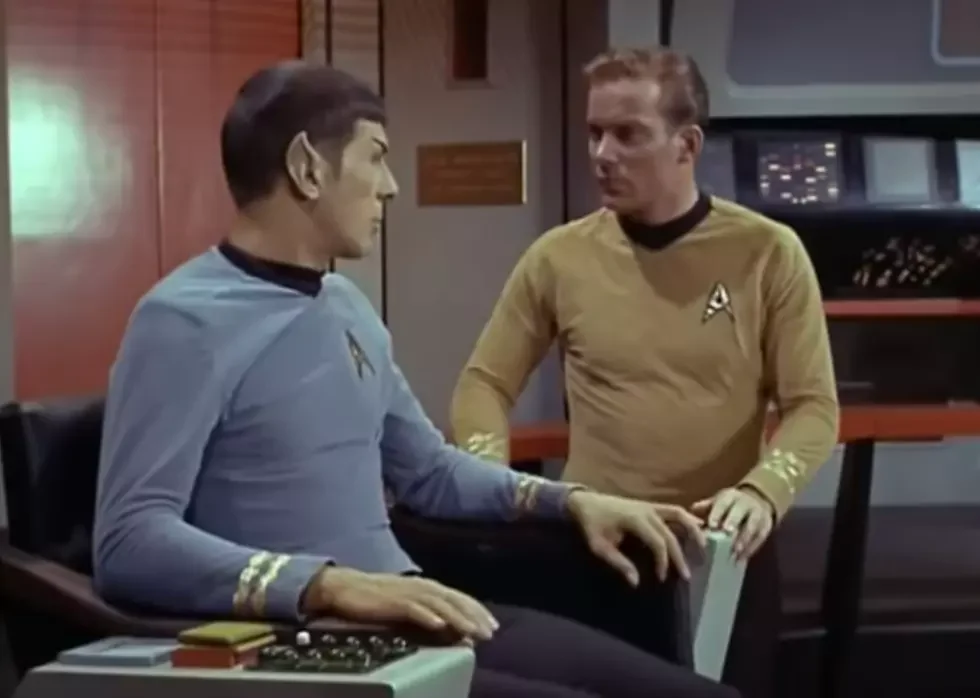
When it originally launched in September 1966, few could have predicted the far-reaching influence Star Trek would have on pop culture. The adventures of the Starship Enterprise, captained by James T. Kirk (William Shatner), took a little time to catch on with audiences. In fact, the series was canceled after just three seasons due to low ratings. But the show's unique blend of sci-fi, camp and humor eventually developed a passionate fanbase, spawning one of the most successful franchises in film and television history.
Caesars Palace Opens in Las Vegas
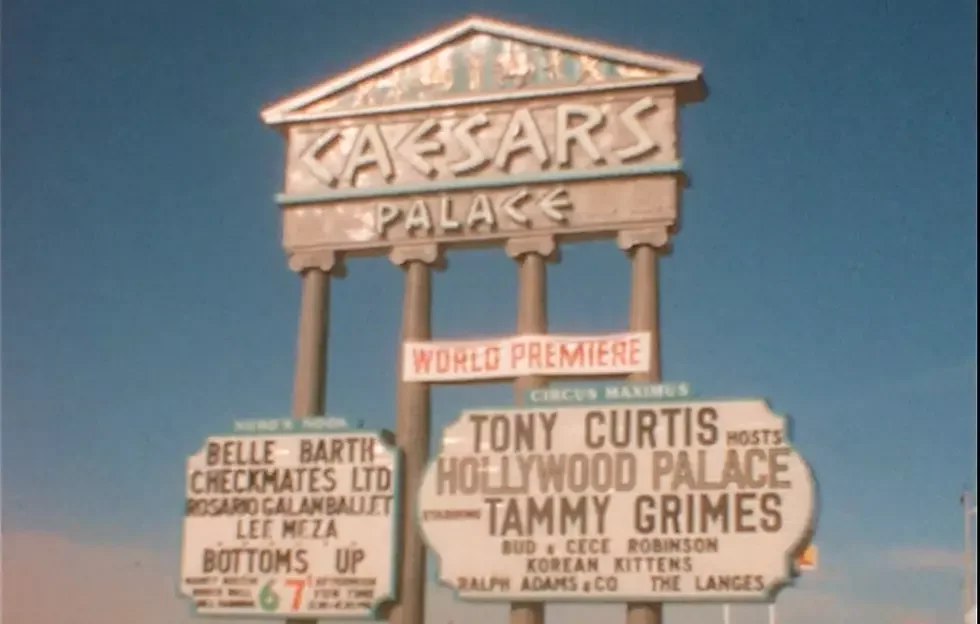
One of the most iconic hotel-casinos in Las Vegas history, Caesars Palace opened in August 1966. The lavish grand opening party included performances by Andy Williams and Phil Richards, two tons of filet mignon, 300 pounds of Maryland crabmeat, an overwhelming amount of Ukrainian caviar and 50,000 glasses of champagne. More than just a resort, Caesars marked the beginning of a Sin City trend: the development of destinations unlike any place else on earth. With its Greco-Roman theme, distinctive architectural style and eye-catching opulence, Caesars became the benchmark by which all other Vegas attractions would be judged.
'The Good, the Bad and the Ugly' Perfects the Spaghetti Western
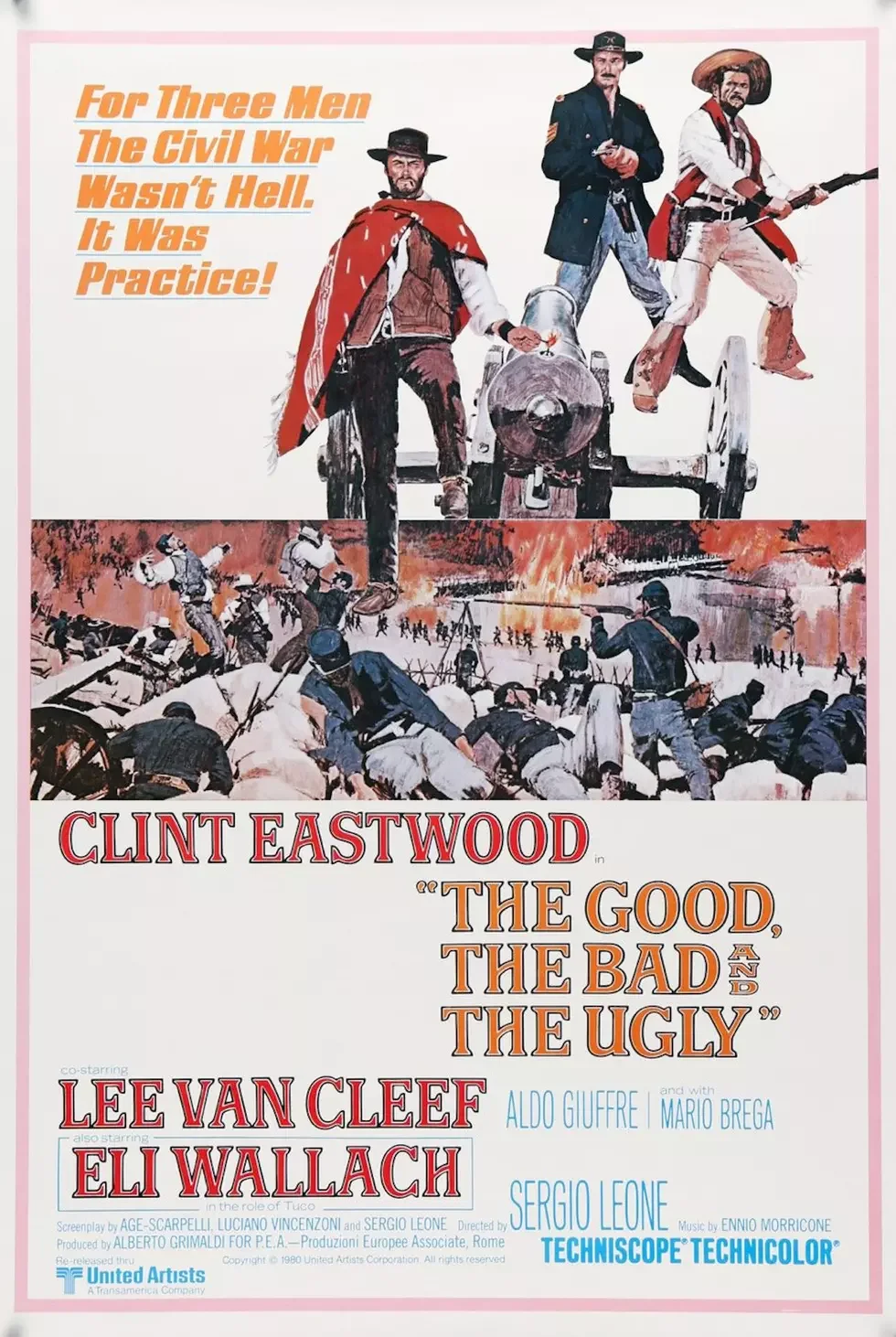
Regarded as the definitive spaghetti western, Sergio Leone’s The Good, the Bad and the Ugly received mixed reviews upon its 1966 release. Critics were particularly discouraged by the film’s depiction of violence and death, which many argued were overdramatic and exaggerated. Despite these views, the movie was a box office success, launching Clint Eastwood to stardom. It has since been regarded as a landmark cinematic release.
Twister Takes Its Turn
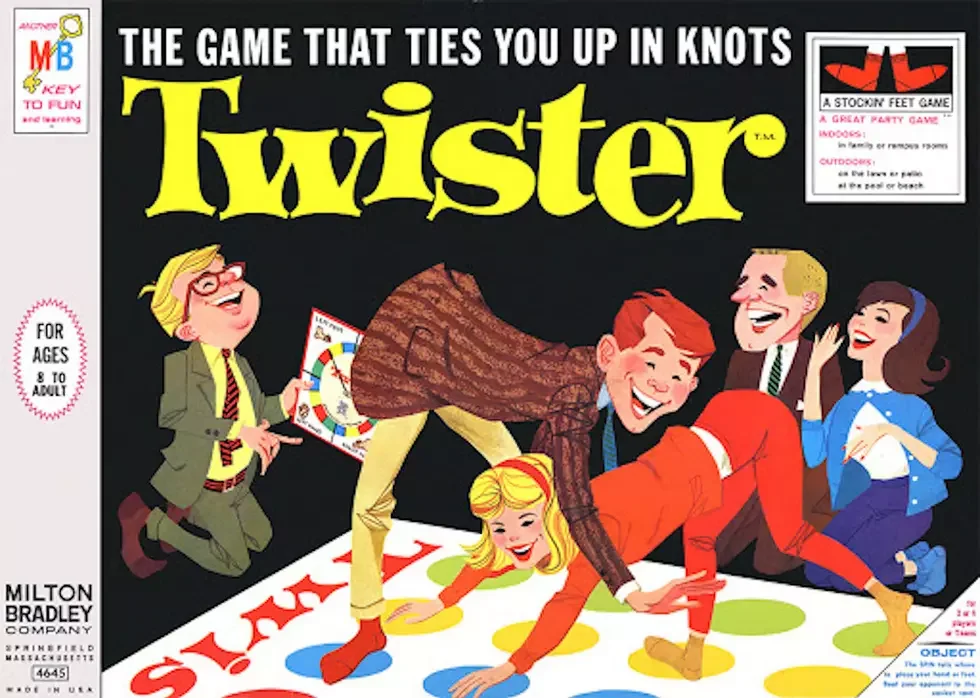
Originally called Pretzel, the party game Twister made its debut in December 1966. At first, people were reluctant to embrace the unique game, with its colorful dotted mat instructing contestants to contort in every which way. Some even accused it of being “sex in a box,” claiming players’ intertwining bodies were far too suggestive. The game got a major boost when late night icon Johnny Carson played Twister with actress Eva Gabor on The Tonight Show. Suddenly, the game was a hit — and it has remained that way ever since.
The Space Race Reaches New Heights
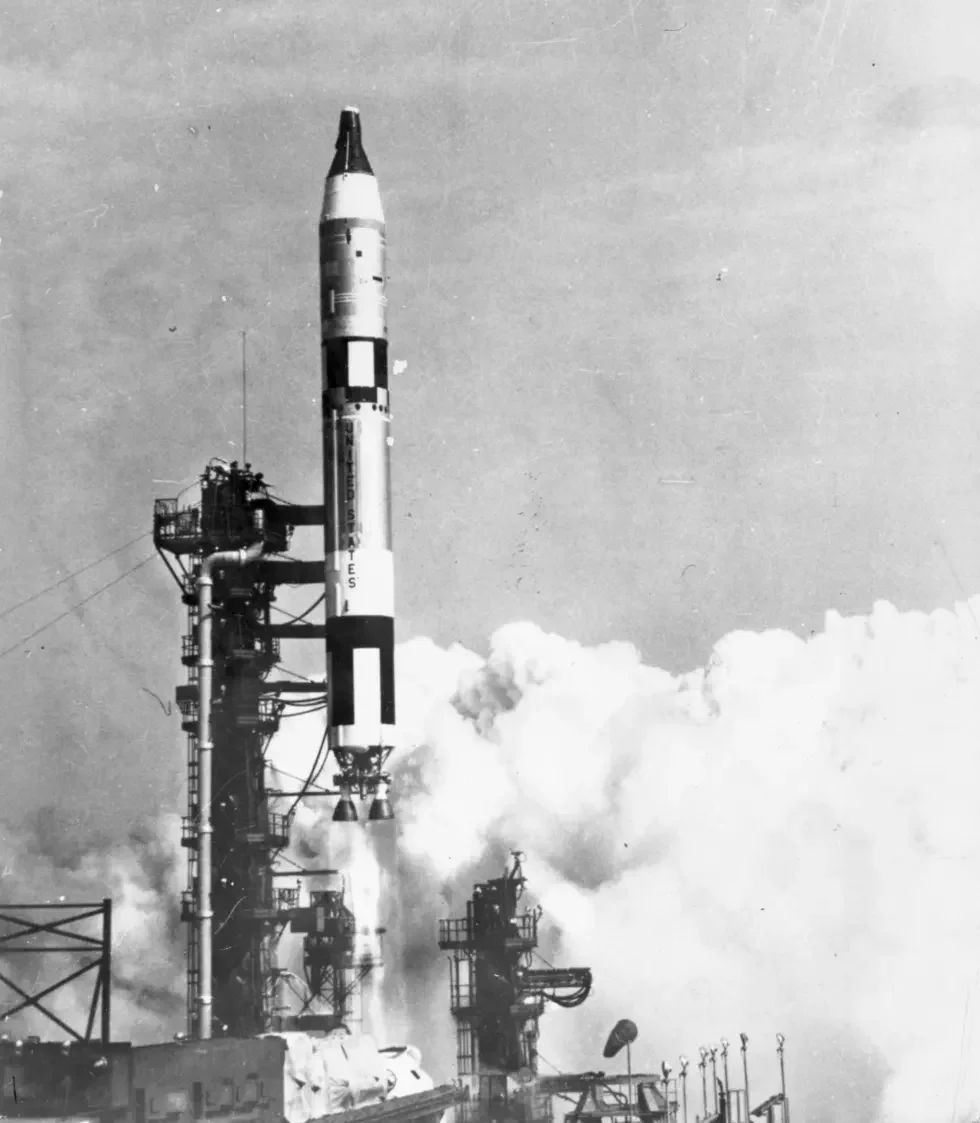
The Space Race was in high gear in 1966, as both American and Russian programs continued working feverishly to put a man on the moon. The U.S. was in the midst of its Gemini program at the time, which successfully proved that docking in space could be done safely. Meanwhile, the Russians achieved the first lunar landing — but did so without any crew on board. The unmanned Luna 9 became the first spacecraft to achieve a survivable landing on a celestial body when it touched down on the moon's surface on Feb. 3, 1966.
The NFL is Born
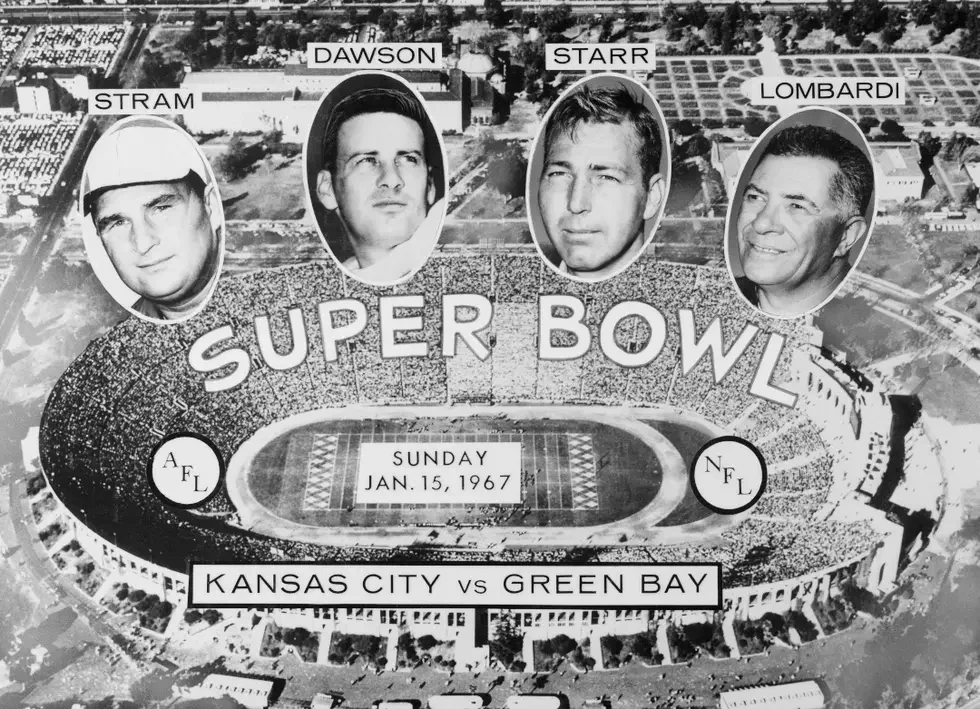
Modern day sports fans may not be aware that the NFL used to have some serious competition in the world of professional football. Launched in 1960, the AFL quickly became a popular alternative to the NFL, putting franchises in new cities and recruiting some of the nation’s most talented players. After spending six years as rivals, the leagues announced a merger on June 8, 1966. All of the AFL’s teams — including the Boston Patriots, Buffalo Bills, Denver Broncos and Oakland Raiders — would move into a separate conference under the NFL. This would form the AFC as we now know it, while the NFC would be comprised of teams which had already existed within the NFL. Every season, the winners of each conference would face off in a championship game, later dubbed the Super Bowl — the first of which was played Jan. 15, 1967 between the Green Bay Packers (NFL) and Kansas City Chiefs (AFL).
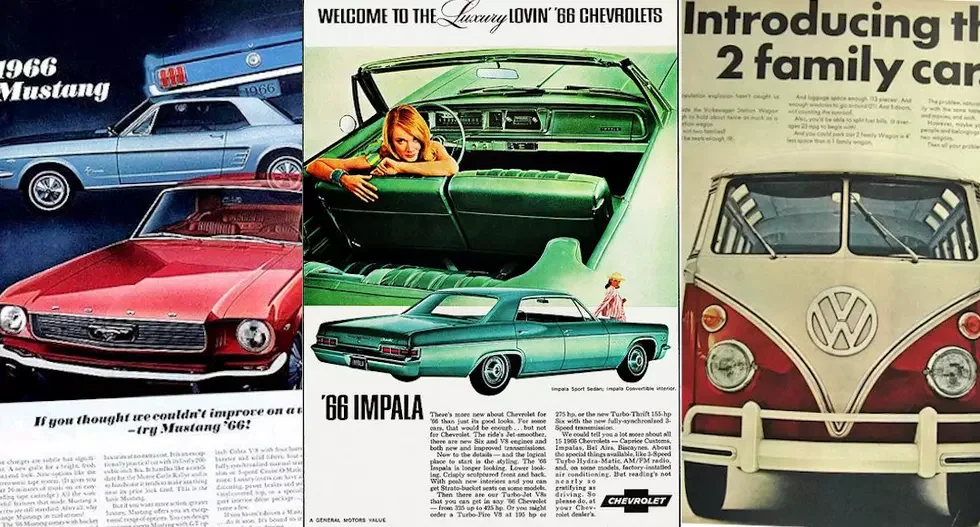
Impalas, Mustangs and Camper Buses Rule the Road
The first-generation Impala was introduced in 1958 and quickly became one of Chevrolet's most popular vehicles. In 1966, no car sold better in the U.S., as both coupe and convertible versions rolled off the lots. Rival Ford Mustang wasn’t far behind, while the first Toyota Corolla was notably released at the end of the year. Still, many will argue that the true car of 1966 was the VW Camper Bus, a vehicle whose distinctive style and design become linked with the flower power hippie movement.